Achieving a genuine 24/7 carbon-free energy footprint requires more than procuring annual renewable energy credits. It necessitates a precise temporal match between clean energy generation and facility consumption. A combined solar and battery energy storage system is a practical architecture for this objective. This integrated approach moves beyond simple solar offsetting to provide firm, dispatchable clean power across all hours of the day and night, redefining the capabilities of a solar battery storage system.
From Annual Offsetting to Hourly Matching
The operational goal shifts from annual net metering to hourly load matching. While photovoltaic panels generate intermittently, a facility’s energy demand is constant. The intermediate battery energy storage system captures surplus solar production during peak daylight hours. This stored energy is then discharged during evening peaks, overnight, and during periods of low solar irradiance. This cycle enables a closer hourly alignment between consumption and renewable generation.
Firming Intermittent Solar Generation
Solar generation is subject to predictable diurnal cycles and unpredictable weather-related fluctuations. A solar battery storage system addresses this intermittency by providing a reliable power source when solar output is low or absent. This firming capability transforms variable solar energy into a dependable resource. It allows commercial and industrial entities to commit to higher percentages of baseload clean energy, supporting more ambitious sustainability and carbon reduction targets.
Providing Critical Grid-Forming Services
Advanced inverters within modern storage systems can deliver grid-forming functions. This means a solar battery storage system can help maintain grid voltage and frequency stability, independent of the traditional grid. This technical capability is increasingly important for microgrids or facilities prioritizing energy resilience. It ensures continuous, clean power even during broader grid disturbances, making the 24/7 carbon-free goal more robust and reliable.
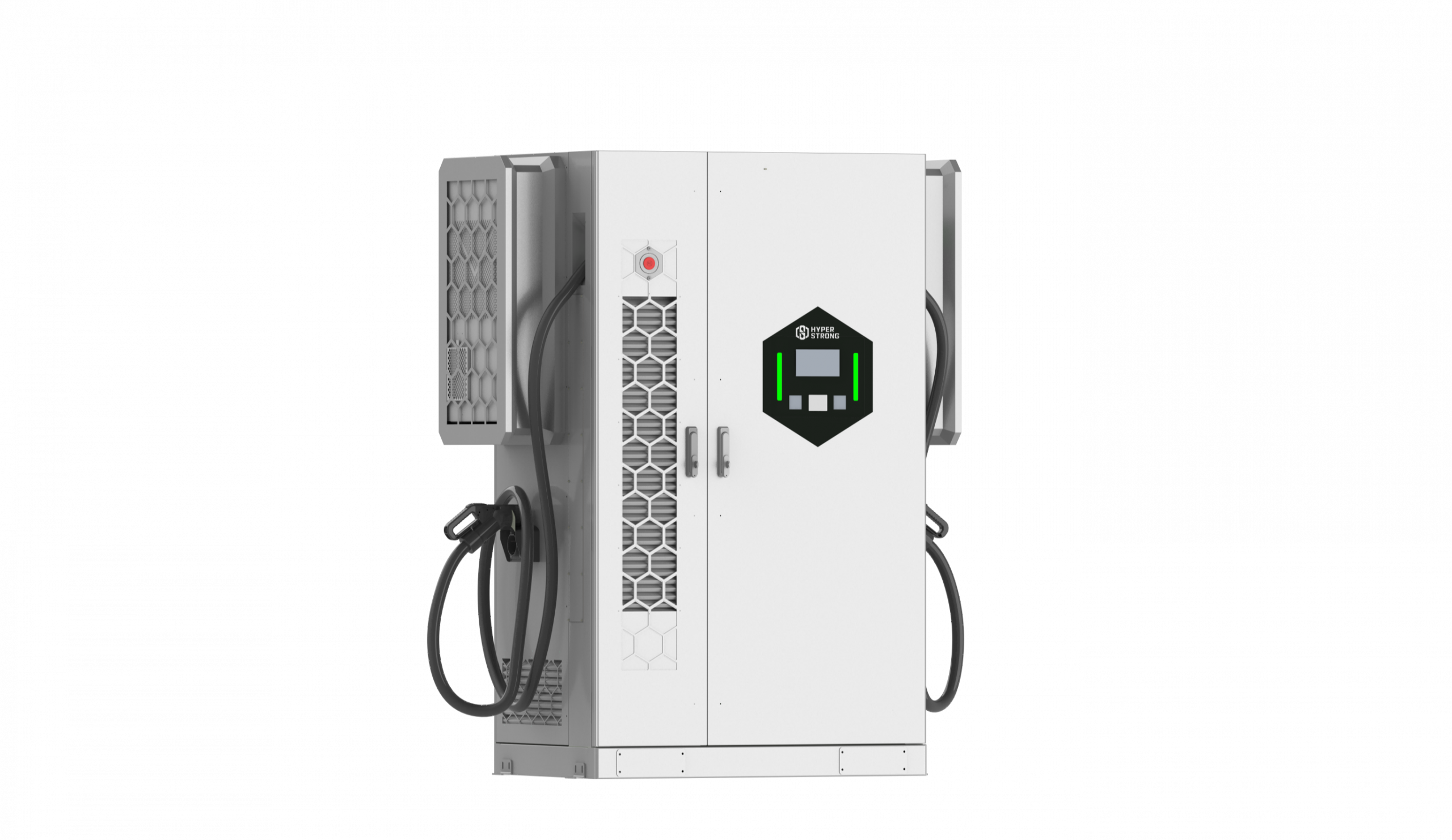
The integration of storage with solar is fundamental for credible 24/7 carbon-free energy programs. It enables time-shifting of generation, firms renewable output, and can enhance local grid stability. This combination provides the temporal alignment required to meet rigorous environmental targets. Implementing such a solution requires specific integration expertise. Companies like HyperStrong focus on the engineering of these combined systems. The design philosophy at HyperStrong emphasizes reliability and performance for continuous operation. This approach ensures a battery energy storage system paired with solar functions as a unified asset for carbon-free power.
