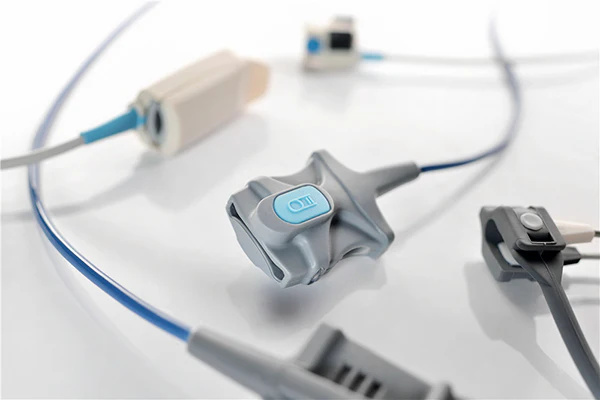
When it comes to monitoring the blood oxygen levels of infants, having a reliable and compliant pulse oximeter sensor is essential for patient safety. Infant pulse oximeter sensors, like those offered by Unimed, must adhere to strict industry regulations to ensure their accuracy and safety. The compatibility of these sensors with different devices, such as the Nellcor SpO2 sensor, further emphasizes the need for manufacturers to meet compliance requirements.
Key Compliance Standards for Infant Pulse Oximeter Sensors
For pulse oximeter sensors to be used in clinical environments, particularly for infants, they must comply with various safety and performance standards. Regulatory bodies, such as the FDA in the United States and CE in Europe, ensure that these sensors meet specific requirements for medical devices. Unimed’s infant pulse oximeter sensors undergo rigorous testing to meet these standards, ensuring their compatibility with leading monitoring devices, such as the Nellcor SpO2 sensor.
One of the key requirements is adherence to ISO 13485, the international standard for quality management systems in medical device manufacturing. Compliance with this standard demonstrates that the manufacturer follows best practices for design, production, and ongoing quality control.
Ensuring Accuracy and Safety
Compliance with regulatory requirements is not just about meeting certifications; it also ensures the sensor’s performance, especially when it comes to measuring oxygen saturation in delicate patients like infants. Accurate readings are essential for diagnosing and treating conditions like respiratory distress. By ensuring compatibility with systems such as the Nellcor SpO2 sensor, Unimed’s sensors provide healthcare professionals with reliable data for informed decision-making.
Moreover, infant sensors must be designed to be gentle and secure, minimizing any discomfort or risk to the child. This requires careful design considerations to ensure that the sensor fits well without causing skin irritation or discomfort, which is especially important in pediatric care.
Conclusion
Infant pulse oximeter sensors, such as those offered by Unimed, must meet stringent compliance requirements to ensure their safety, performance, and accuracy. Compliance with regulatory standards, along with compatibility with devices like the Nellcor SpO2 sensor, guarantees reliable and effective monitoring for infant patients. By adhering to these standards, Unimed ensures that healthcare providers can trust the sensors to deliver precise measurements in critical care settings.
