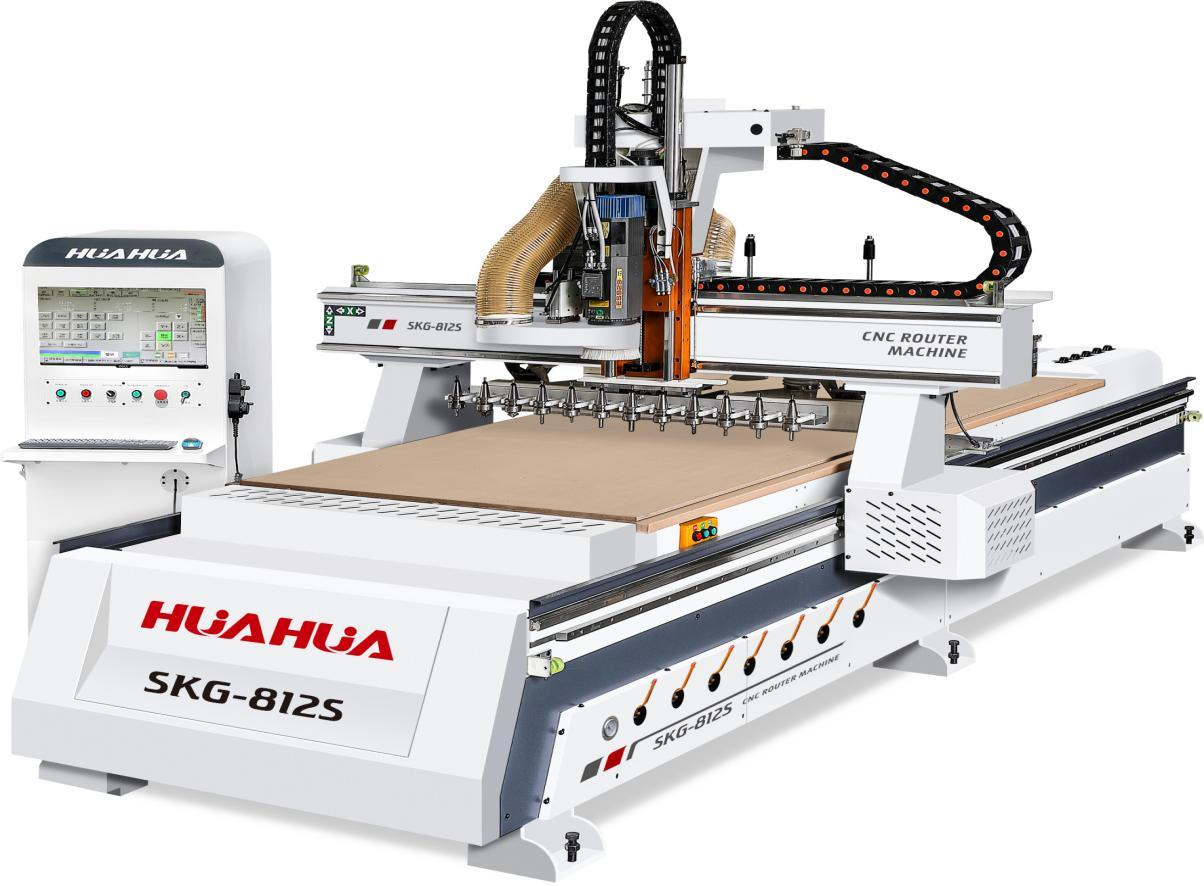
When working with a wood working CNC or a CNC woodworking machine, choosing the right bit is fundamental to achieving precision, efficiency, and a clean finish. The variety of bits available can be overwhelming, and selecting an inappropriate bit can lead to poor results or even damage the material or the machine. This article explores the key considerations when selecting bits for wood CNC work, offering guidance on how to optimize performance and quality.
Understanding Bit Types and Their Applications
Different types of bits are designed for specific purposes in CNC woodworking. Common bit types include straight bits, spiral bits, V-bits, and ball-nose bits:
Straight bits are versatile and ideal for grooving, slotting, and general cutting tasks.
Spiral bits come in upward or downward flutes, which help in chip removal and surface finish. Upward spirals are better for deep cuts, while downward spirals reduce splintering on the top surface.
V-bits are used for engraving and decorative carving, offering fine detail work.
Ball-nose bits are suitable for 3D contouring and smooth finishes on curved surfaces.
Selecting the correct type depends on the woodworking CNC project’s requirements, such as the desired finish, depth, and complexity of cuts.
Material Considerations and Bit Coatings
The material of the bit and any coatings applied play an important role in durability and performance. For wood CNC operations, bits made of high-speed steel (HSS) or carbide are common:
Carbide bits are preferred for their hardness and longevity, especially when working with hardwoods or abrasive composite materials.
HSS bits are more economical but wear out faster.
Additionally, coatings like titanium nitride (TiN) or diamond-like carbon (DLC) can extend bit life by reducing heat buildup and friction. Choosing the right material and coating ensures the bit maintains sharpness, which is critical for clean cuts and reducing tool wear in a CNC woodworking machine.
Compatibility and Machine Specifications
When selecting bits, compatibility with the CNC woodworking machine is vital. Factors such as shank size and tool change capabilities influence the choice. For instance, machines like the HUAHUA CNC SKG-812S offer an auto tool changing spindle with a 12-tool linear magazine, enabling quick tool swaps based on programmed instructions. This system requires bits with standardized shank sizes to ensure smooth automatic changes.
Moreover, the working area of the machine (2800*1300mm for SKG-812S) and the machine size (4366*3340*2901mm) should be considered to select bits that can handle the scope and scale of the projects efficiently.
Ensuring Precision and Efficiency in CNC Woodworking
Choosing the right bit for a wood working CNC project is a balance of understanding the bit type, material composition, and machine compatibility. Using bits tailored to the specific task improves cut quality, reduces waste, and maximizes the lifespan of both the bit and the CNC woodworking machine.
Streamlining Woodworking CNC with HUAHUA CNC
For professionals seeking reliable equipment and efficient tool management, HUAHUA CNC offers advanced CNC woodworking machines like the SKG-812S. With its large working area and automatic tool changing spindle capable of handling 12 tools, HUAHUA CNC machines streamline the woodworking process, allowing precise bit changes according to program requirements. This integration of technology ensures higher productivity and consistent results for wood CNC work.
