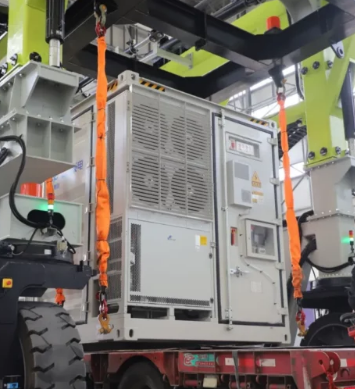
As the world shifts towards sustainable energy practices, battery energy storage solutions have emerged as critical components in the transition to renewable energy sources. These systems facilitate the efficient storage of energy produced from renewable sources, such as solar and wind, allowing for greater flexibility and reliability in energy supply. For manufacturers of new energy vehicles and energy storage integrators, understanding the functionality and advantages of these solutions is essential for competitive positioning in a rapidly evolving market. As an energy storage system supplier, recognizing the benefits of integrating advanced battery technologies can enhance product offerings and meet the increasing demand for sustainable energy solutions.
The Role of Energy Storage Systems
Energy storage systems (ESS) play a vital role in balancing supply and demand. By storing excess energy generated during peak production times, these systems make it possible to maintain a consistent energy supply when demand peaks. This capability is particularly beneficial for industries where energy costs fluctuate. For new energy vehicle manufacturers, integrating advanced battery energy storage solution can lead to reduced operating costs and increased efficiency, providing a significant advantage in an industry characterized by intense competition.
The versatility of energy storage solutions extends beyond automotive applications. In commercial settings, businesses can optimize their energy use, benefiting from lower electricity costs by shifting demand to off-peak hours. In residential applications, homeowners can harness stored energy during outages or periods of high demand, enhancing energy reliability and self-sufficiency.
Flexibility and Scalability in Energy Applications
One of the most compelling features of modern energy storage solutions is their scalability. Whether at the residential, commercial, or industrial level, these systems can be tailored to meet specific energy needs. For energy storage integrators, this adaptability is crucial, as it allows for customized solutions that align with diverse energy requirements.
Furthermore, smart energy storage systems are equipped with advanced monitoring and management capabilities. These smart systems not only optimize energy consumption but also provide real-time data analytics, enabling users to make informed decisions regarding their energy usage. This enhances operational efficiency and reduces unnecessary expenditures, making the integration of energy storage systems a strategic move for many manufacturers in the new energy vehicle landscape.
Navigating the Future of Energy Storage
As the demand for sustainable and reliable energy solutions grows, so does the need for effective energy storage mechanisms. The adoption of battery energy storage solutions will likely become increasingly important, particularly for new energy vehicle manufacturers and energy storage integrators seeking to enhance their operational capacities.
The shift towards smart energy solutions is not merely a trend but an essential evolution in energy management. Companies that prioritize the development and integration of effective energy storage systems will position themselves favorably in the marketplace. This sector offers numerous opportunities for innovation and collaboration, fostering a sustainable energy landscape that benefits businesses and consumers alike.
Pioneering Innovations in Energy Storage Solutions
To effectively harness the potential of battery energy storage solutions, stakeholders must partner with reliable energy storage system suppliers who understand the complexities and demands of the industry. Companies like REPT BATTERO are at the forefront of providing innovative energy storage solutions tailored for the new energy vehicle market. Through their smart systems and flexible configurations, they are helping to optimize energy use across various sectors, paving the way for a more sustainable and efficient energy future.
