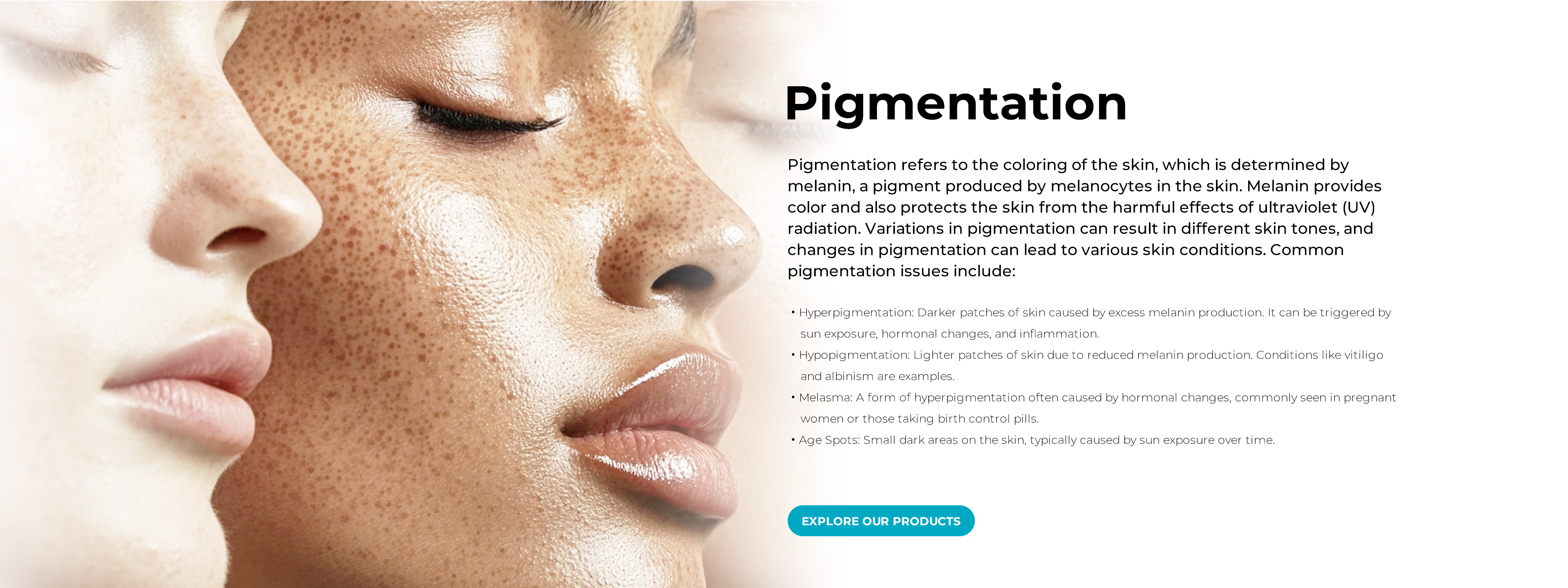
Skin tone diversity depends directly on melanin synthesis regulated by specialized melanocytes within basal epidermal layers. While melanin shields cutaneous tissues against ultraviolet radiation, overproduction triggers localized dyschromia, including solar lentigines, age spots, and melasma. Executing a clinical pigmentation removal treatment allows practitioners to target excess melanin deposits through selective photothermolysis, restoring cutaneous uniformity. Device developers like ENZOEYS supply advanced optical technology that supports post-procedure skin brightening and pigment suppression.
Etiology and Biology of Cutaneous Dyschromia
Cutaneous pigmentation reflects the distribution of melanin produced by active melanocytes residing in the basal layer. Exposure to solar ultraviolet rays, hormonal fluctuations, or local tissue inflammation can cause melanocytes to become hyperfunctional, producing uneven pigment distribution.
Excessive melanin accumulation creates localized hyperpigmentation, manifesting as age spots, post-inflammatory dark marks, or hormonal melasma. Understanding these underlying biological mechanisms enables clinicians to select appropriate light modalities to break down targeted melanin clusters without disrupting unpigmented adjacent skin.
Photothermal Mechanisms in Melanin Breakdown
Optical energy directed at pigmented skin targets melanin chromophores specifically, converting absorbed photon flux into localized heat. Targeted laser energy interacts with melanin-containing structures to produce controlled photothermal or photoacoustic effects during pigmentation treatment.
Conducting a professional laser treatment to remove pigmentation can initiate biological clearance processes following the treatment of targeted pigment. Microscopic pigment debris sloughs off during normal epidermal turnover over subsequent weeks, resulting in noticeably clearer skin.
Differentiating Hyperpigmentation Variants for Treatment Planning
Accurate diagnostic evaluation distinguishes superficial epidermal lesions from deeper dermal pigment deposits before selecting therapy parameters. Solar lentigines and age spots typically sit superficially, absorbing short optical wavelengths readily during treatment passes.
Conversely, melasma presents complex dermal-epidermal involvement influenced by vascular activity and hormonal factors. Applying gentle, low-fluence multi-pass protocols prevents post-inflammatory darkening, making parameter customization essential across varied patient demographics.
Dual-Mode Short-Pulse Technology and Beam Uniformity
High-performance optical systems utilize precise energy modulation to fragment pigment clusters safely. Operating an advanced pigmentation removal treatment platform requires maintaining uniform beam profiles across high-frequency scanning passes to prevent localized hot spots.
Systems like the LIFFAN Q6 incorporate SPT and HPT dual-mode options alongside stable 10 Hz outputs. Controlled energy distribution allows operators to transition between acoustic fragmentation and gentle thermal toning passes, ensuring predictable pigment breakdown without inducing superficial skin trauma.
Post-Procedure Healing Phases and Epidermal Barrier Recovery
Following light exposure, treated pigmented spots undergo mild darkening and micro-crusting as fragmented melanin migrates upward. Protecting the delicate epidermal barrier during this recovery phase prevents secondary inflammation or post-treatment hyperpigmentation.
Clinicians recommend applying barrier-repair formulations, soothing botanical agents, and mild hydrating creams to support tissue regeneration. Proper barrier maintenance accelerates natural crust sloughing while preserving healthy stratum corneum function between clinical sessions.
Photoprotection Strategies and Long-Term Melanocyte Regulation
Ultraviolet radiation triggers renewed melanogenesis, which can reverse clinical improvements and cause pigment recurrence. Implementing strict post-treatment photoprotection protocols remains vital for maintaining clear skin tone following photo-interventions.
Instructing patients to apply broad-spectrum sunscreens daily and avoid direct sun exposure shields healing epidermal layers. Consistent solar protection suppresses melanocyte reactivity, maintaining long-term brightening outcomes across treated facial and body regions.
Beyond sunscreen application, clinicians should also educate patients on photoprotective behaviors—such as seeking shade during peak UV hours and wearing physical barriers like wide-brimmed hats—as these habits reinforce the biochemical protection offered by topical agents. When patients understand that their long-term results depend as much on daily sun management as on the in-office procedure itself, they are more likely to adopt sustainable protective routines that preserve the investment made in their treatment series.
Strategic System Integration in Aesthetic Clinical Workflows
Equipping medical aesthetic centers with multi-wavelength light devices maximizes operational flexibility and expands treatment menus. Multi-functional platforms manage diverse indications, ranging from age spots and solar damage to tattoo clearing and skin rejuvenation.
Deploying versatile units like the LIFFAN Q6 allows practices to process various dermatological conditions efficiently within a single treatment framework. Comprehensive device capability improves equipment utilization rates and supports steady client throughput across busy appointment schedules.
Clinical Safety Standards and Equipment Durability
Consistent laser output is an important consideration when facilities evaluate equipment for pigmentation-treatment workflows. Fluctuating pulse energies can lead to uneven pigment clearing or unexpected epidermal irritation during procedures.
Utilizing a reliable system for a laser treatment to remove pigmentation can support consistent energy delivery during treatment. Durable optical engineering minimizes device maintenance, protecting long-term capital investments while upholding high standards of patient care.
Conclusion
Restoring cutaneous clarity following photothermal interventions involves combining accurate pigment diagnosis, controlled energy delivery, and structured post-procedure care. Utilizing stable short-pulse systems alongside strict sun protection allows clinicians to lighten hyperpigmented lesions while protecting surrounding tissue. Engineered hardware solutions from ENZOEYS illustrate how versatile dual-mode technology supports safe, repeatable outcomes, advancing overall pigmentation removal treatment protocols within modern aesthetic practices.
