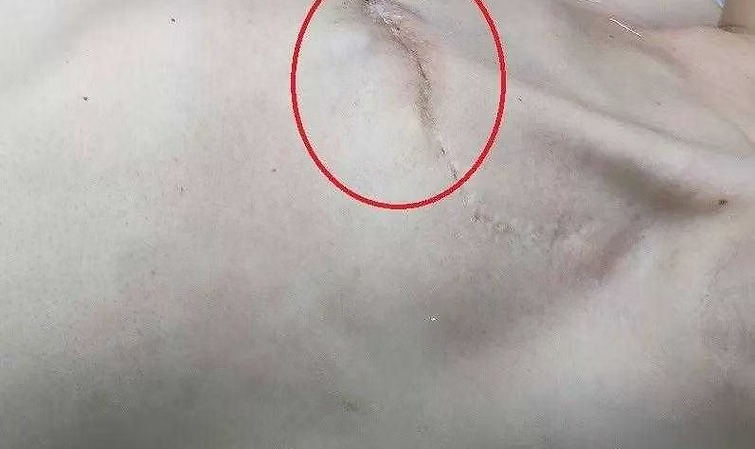
Chest wall tumors refer to all new growths of the chest wall. They may be primary, arising from the chest wall itself, or metastatic, spreading from tumors elsewhere in the body. Primary tumors may occur in any chest wall structure or tissue, whereas metastatic tumors are most often found in the bony structures, although other sites may also be involved. Because the chest wall consists of bony structures, soft tissues, and skin, chest wall tumors can also be classified by site as tumors of the bony structures, soft tissue tumors, and skin tumors.
Tumor Characteristics and Physiological Impact
Like tumors in other parts of the body, chest wall tumors can be broadly classified as benign or malignant. Regardless of their nature, tumor growth may progressively alter the normal structure of the chest wall.
As chest wall tumors enlarge, they may damage or compress nearby ribs, costal cartilages, muscles, and other structures, causing localized pain or tenderness. If a tumor invades the pleura or lungs, coughing or respiratory discomfort may occur, while compression of the heart or great vessels may cause cardiovascular symptoms. Tumors that destroy rib bone may also result in pathological fractures.
Advanced Reconstruction at ICWS
The primary goal in treating chest wall tumors is to balance complete tumor resection with repair of chest wall defects. During surgery, the tumor and all surrounding tissues and structures it has invaded should first be resected. Because tumor resection often results in chest wall defects, reconstruction is frequently required. At The Institute of Chest Wall Surgery (ICWS), advanced imaging and three-dimensional assessment support surgical planning. Depending on the specific condition, different techniques and materials may be selected. These can include metal implants, autologous tissue, or selected synthetic materials, used to reconstruct the defects, thereby restoring chest wall integrity, protecting intrathoracic organs, and maintaining respiratory function and appearance.
Navigating Your Path to Recovery
Understanding the characteristics of chest wall tumors and their potential impact on chest wall structure is crucial for timely diagnosis and appropriate clinical management. Early evaluation and individualized treatment planning play an important role in achieving optimal outcomes, particularly in cases where structural integrity and respiratory function may be affected.
