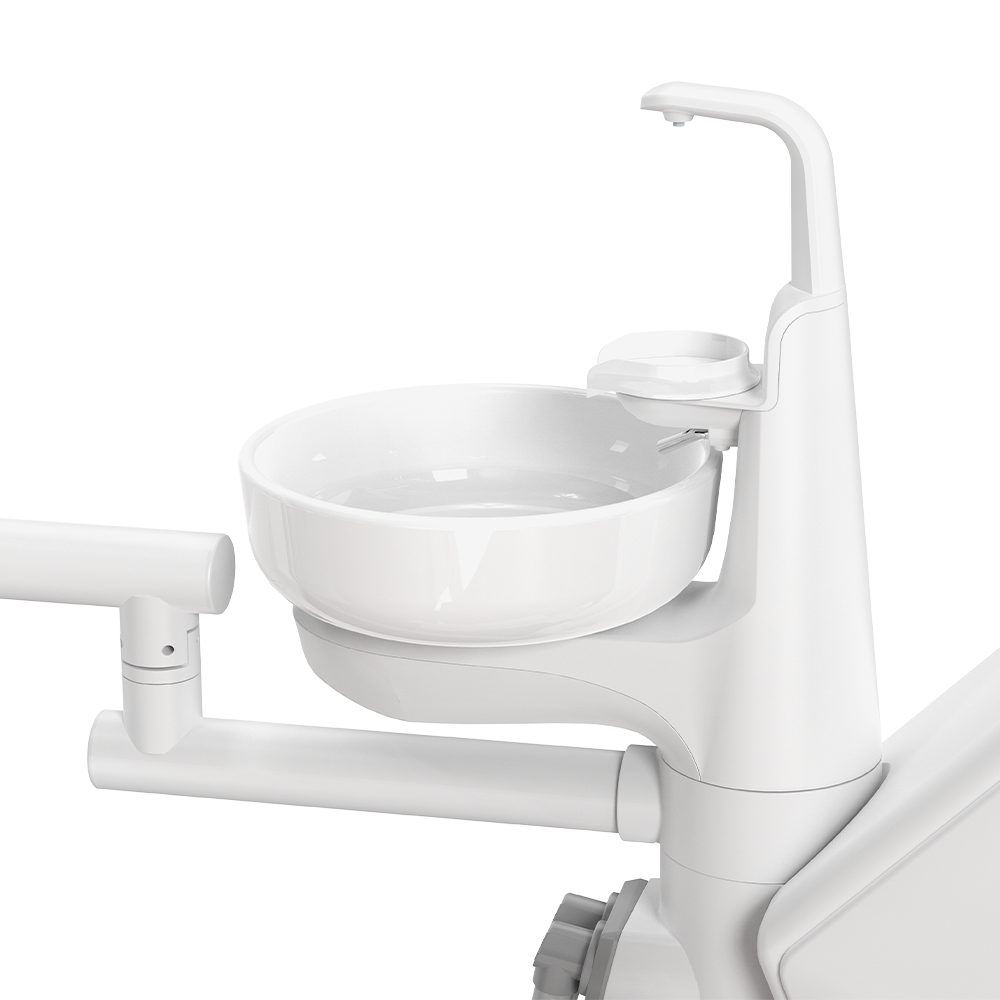
The “best” dental chair treatment unit in 2026 is not necessarily the most expensive model on the market. Buyers now have to compare much more than chair movement and upholstery. Digital controls, programmable positions, instrument configuration, water management, lighting, disinfection, and diagnostic functions can all affect the value of a complete treatment unit.
Price comparisons are equally complicated. Publicly listed 2026 market guides place dental units across a very broad range, from entry-level equipment costing around $800 to premium integrated systems exceeding $15,000. Actual prices depend heavily on configuration, manufacturer, certifications, options, and purchasing conditions.
That makes a feature-to-price comparison more useful than simply asking which model has the highest specification.
What Makes a Treatment Unit Worth Comparing in 2026?
A modern dental chair treatment unit combines several functions that previously might have been evaluated separately. The chair itself remains central, but the delivery system, operating light, handpiece positioning, water controls, assistant functions, and user interface can have just as much influence on daily operation.
The A3, for example, combines an electric treatment chair with a medical-grade color LCD, three programmable chair positions, adjustable handpiece positioning, water heating, automatic cup filling, anti-collision functionality, and one-key drainage.
The significance of these features is not simply that there are more of them. They reduce the number of separate adjustments an operator may need to make during a procedure. A programmable chair position can be recalled rather than manually recreated, while a diagnostic display can provide information when the unit detects a problem.
This is the first distinction buyers should make: is the equipment simply a chair with attached instruments, or is it a coordinated treatment workstation?
The Features That Push a Unit Into a Higher Price Tier
Price rises as more functions become integrated, but not every upgrade has equal value for every clinic.
Entry-level units generally concentrate on essential chair movement and basic treatment functions. Mid-range systems add features such as programmable positioning, LED lighting, ergonomic delivery systems, and more refined controls. Professional and premium integrated units can add digital interfaces, advanced hygiene systems, integrated motors or scalers, and more extensive customization. A 2026 market guide places these broad categories from roughly $800–$1,500 for entry-level electric chairs, $2,000–$5,000 for mid-range ergonomic systems, and $7,000–$15,000 for professional-grade units.
The A3 includes several features associated with the upper end of integrated functionality. Its LCD provides real-time operating information, startup self-checking, error-code display, three memory positions, and a built-in timer. Its handpiece holder offers four adjustment levels between 30° and 80°.
Water management also receives considerable attention. The unit provides instant warm water for handpieces and the three-way syringe, while its dual infrared and gravity sensing system supports automatic cup dispensing.
For buyers, the important point is that price should be connected to actual workflow value, not to the number of specifications printed on a brochure.
Where the A3 Sits in the 2026 Price Picture
Public marketplace listings provide one useful reference, although they should not be treated as official manufacturer quotations. Current listings for the Roson A3 show approximately $2,600–$7,400 for a complete dental unit, while another manufacturer marketplace listing places the A3 in a similar broad range.
That range is considerably wider than a single retail price because a treatment unit can be configured differently. The A3 page itself states that specific configurations can be customized according to customer requirements and lists optional built-in scalers and electric motors.
The official configuration table also distinguishes standard and optional components. Built-in scaler, micromotor options, and other equipment can therefore change the final configuration and quotation.
This is why buyers should be cautious with online “starting prices.” A low advertised number may represent a basic configuration, while a quotation for a fully equipped treatment unit can be substantially higher.
For B2B purchasing, the useful comparison is the delivered configuration, not the headline price.
What Buyers Actually Get for the Extra Spend
The strongest argument for paying more is not simply more equipment. It is better integration between the functions the operator uses repeatedly.
The A3’s medical-grade LCD provides both operating information and diagnostic feedback. Its three memory chair positions can be customized, while the soft start/stop system is intended to make chair movement smoother.
The treatment light also has adjustable brightness and color temperature with digital control. The assistant arm includes anti-collision functionality that can pause and reverse when an obstacle is detected.
Cleaning is addressed through one-key smart drainage. Activating the function raises the chair and initiates a five-minute spittoon flushing cycle.
The hygiene system is another factor that can affect the price of a higher-end configuration. The A3 page describes an EOW-TECH micro-electrolysis disinfection system and lists testing related to bactericidal performance and other system characteristics.
These functions matter most in clinics where the treatment unit is used intensively and operators will actually rely on them.
Is a Higher-Priced Treatment Unit Always the Better Purchase?
Not necessarily. A clinic should first identify which functions are genuinely required.
A practice performing straightforward general dentistry may not need every optional motor or digital accessory. Another clinic with multiple dentists may place greater value on programmable chair positions, adjustable instrument placement, diagnostic information, and flexible configuration.
The same principle applies when comparing a dental chair treatment unit across manufacturers. One model may have a lower purchase price but require more separate accessories. Another may cost more initially while integrating functions that the clinic would otherwise purchase independently.
Roson positions the A3 as a customizable flagship configuration, with choices covering handpiece placement, upholstery, color, built-in instruments, and digital options.
For 2026 buyers, the most useful definition of “best” is therefore not the highest specification or lowest price. It is the configuration that delivers the functions the clinic will use, at a total purchase cost that matches its treatment volume and operating requirements.
A modern treatment unit should ultimately be judged on three things: what it can do, how well those functions work together, and what the complete configured system costs. That approach gives buyers a more realistic basis for comparing the market than relying on a single advertised price or an impressive feature list.
