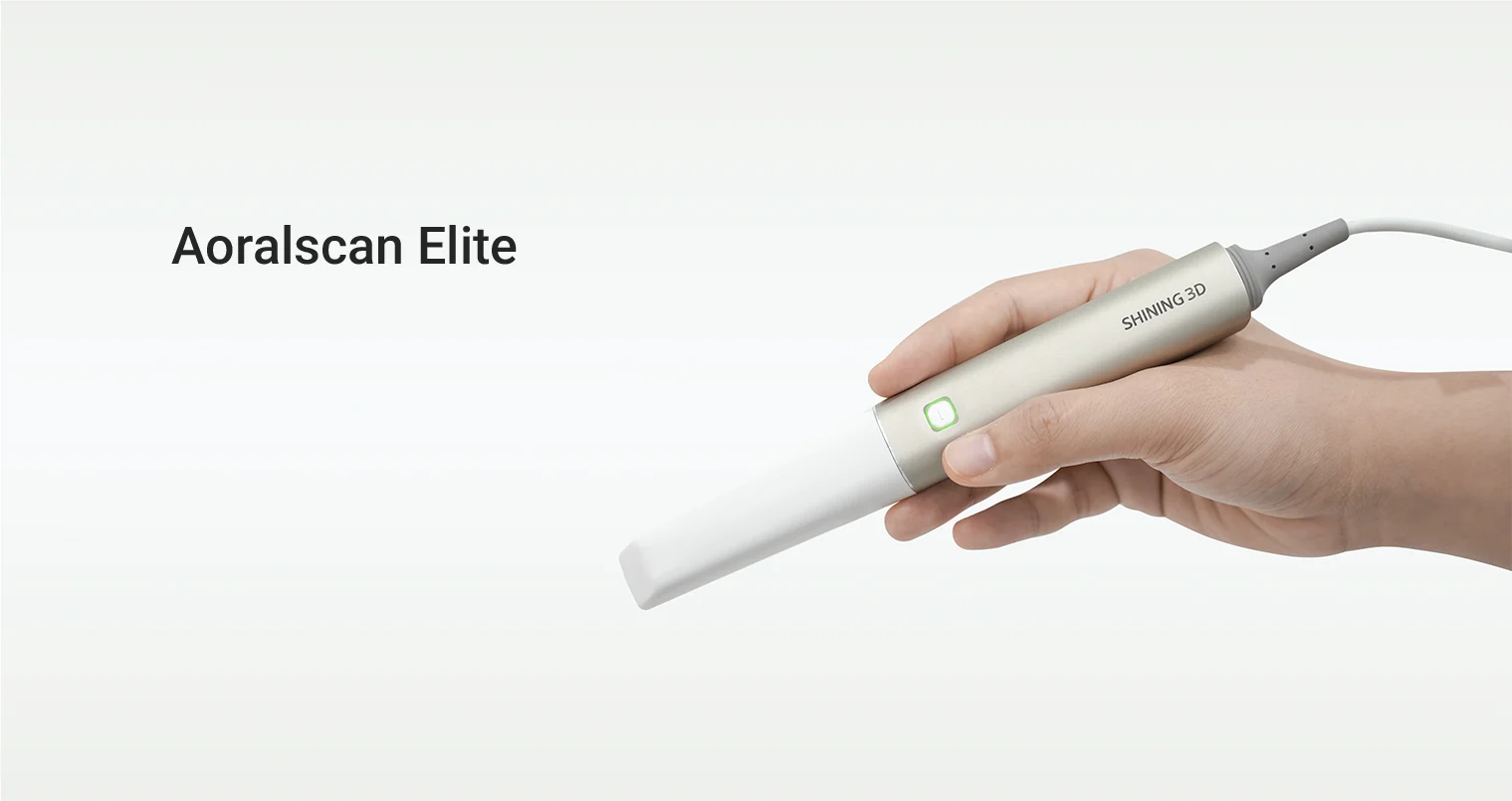
Digital dentistry is changing how dental clinics and laboratories capture patient data, design restorations, communicate with laboratories, and produce dental appliances. Technologies such as intraoral scanning, 3D imaging, CAD software, and dental 3D printing can connect multiple stages of treatment and production into a digital workflow. However, adopting digital dentistry solutions is not simply a matter of purchasing new equipment. Practices often need to consider workflow compatibility, staff training, data management, investment, and long-term usability.
Understanding these challenges can help clinics and laboratories make more informed decisions and build a digital workflow that supports daily operations rather than adding unnecessary complexity.
- Integrating New Technology Into Existing Workflows
One of the first challenges is determining how new digital equipment will fit into an established workflow. A practice may already use conventional impressions, laboratory prescriptions, CAD software, or third party manufacturing services. Introducing an intraoral scanner or dental 3D printer can create additional steps if the systems do not communicate smoothly.
For this reason, compatibility should be evaluated before selecting equipment. Users should consider whether scanning data can be exported in commonly used formats, whether design software can process the files efficiently, and whether the workflow can connect clinical scanning with laboratory production.
SHINING 3D DENTAL approaches digital dentistry as a connected process covering scanning, design, and printing. Its portfolio includes intraoral scanners, facial scanners, design services, dental 3D printers, post processing equipment, materials, and software. This broader approach can help users evaluate individual devices as part of an overall workflow rather than as isolated tools.
- Learning Curves and Staff Training
Even intuitive digital systems require users to develop new skills. A clinician who is accustomed to conventional impressions may need time to become comfortable with scanning paths, scan data inspection, occlusion capture, and digital file management. Laboratory teams may face similar learning requirements when introducing new design or printing technologies.
Training is particularly important because digital workflows depend heavily on the quality of the initial data. Poor scanning technique, incomplete data, or incorrect workflow settings can create problems later in the process.
When evaluating digital dentistry solutions, users should therefore look beyond hardware specifications. Software usability, training resources, technical support, and access to educational materials can have a significant impact on how quickly a system becomes part of routine operations.
- Managing Data Accuracy and Consistency
Digital workflows replace physical impressions with digital datasets, but this does not eliminate the need for quality control. Scan accuracy can be influenced by the scanning technique, clinical conditions, surface characteristics, device performance, and the way data is processed.
In complex cases, users may also need several types of digital information. For example, implant treatment may require implant position data together with information about teeth, gingiva, occlusion, or facial structures. Managing these datasets separately can introduce additional alignment and verification steps.
SHINING 3D DENTAL has developed Intraoral Photogrammetry, or IPG, to combine photogrammetry with intraoral scanning. According to the company, the technology can acquire implant positions and angles while also collecting detailed intraoral information from teeth and gingival soft tissue in applications such as edentulous implant and partial edentulism cases.
- Investment and Total Cost of Ownership
The initial price of digital equipment is another important consideration. However, focusing only on purchase price can make it difficult to understand the actual cost of adopting a digital workflow.
Users should consider software subscriptions, maintenance, consumables, printing materials, post-processing equipment, staff training, and potential upgrades. The time required to operate the equipment should also be considered because workflow efficiency can influence the long-term value of the investment.
A practical evaluation should therefore ask several questions. How frequently will the equipment be used? Which procedures can move from analog to digital? Can multiple devices share the same workflow? Will the system support future expansion?
A modular approach can allow a practice or laboratory to begin with a specific need, such as intraoral scanning, and gradually add design and 3D printing capabilities as demand increases.
- Communication Between Clinics and Laboratories
Digital dentistry can improve communication, but only when digital files and treatment information can move efficiently between different participants.
Traditional workflows may involve physical impressions, shipping, manual prescriptions, and repeated communication. Digital workflows can reduce some of these steps, but they also require clear file organization, standardized processes, and compatible software.
For clinics working with external laboratories, it is useful to establish clear requirements for file formats, scan quality, margin visibility, occlusal information, and case submission. Laboratories should also ensure that received data contains everything required for the next production stage.
The objective is not simply to digitize individual tasks, but to create a consistent information flow from data acquisition to design and manufacturing.
- Choosing Technology That Can Scale
Another common challenge is selecting equipment that meets current requirements without creating limitations as the workflow develops. A scanner may be sufficient for basic restorative cases but less suitable when a practice expands into implant workflows, orthodontics, facial analysis, or chairside production.
This makes scalability an important part of technology selection.
A broader ecosystem can provide more flexibility as requirements change. SHINING 3D DENTAL currently offers solutions spanning intraoral scanning, facial and jaw motion capture, dental design, 3D printing, post processing, materials, and software. Its website describes this as a workflow covering “Scan. Design. Print.”
Such an approach allows users to consider how individual technologies may work together instead of making every purchasing decision independently.
- Balancing Automation With Professional Control
Automation can reduce repetitive tasks and simplify digital workflows, but dental professionals still need control over clinical decisions and final results. Software can assist with data processing, design, analysis, and production preparation, but it should support professional judgment rather than replace it.
This is especially relevant as AI becomes increasingly integrated into dental software. Users should understand which tasks are automated, which parameters can be adjusted, and how results can be reviewed before production.
The most practical digital dentistry solutions are those that combine automation with transparency, allowing professionals to verify data and make appropriate adjustments when necessary.
Building a More Practical Digital Workflow
Adopting digital dentistry requires more than replacing physical impressions with digital scans. Successful implementation depends on how well equipment, software, people, and processes work together.
The main challenges include workflow integration, training, data consistency, investment, communication, scalability, and maintaining professional control. Addressing these factors before purchasing equipment can help reduce implementation problems and improve long-term workflow efficiency.
SHINING 3D DENTAL provides an ecosystem that connects scanning, design, and 3D printing, while technologies such as intraoral photogrammetry extend the range of digital data that can be captured in implant workflows. For clinics and laboratories evaluating their next step in digital dentistry, the most useful solution is not necessarily the one with the longest specification list, but the one that fits existing processes, supports future needs, and makes everyday clinical and production tasks more consistent.
