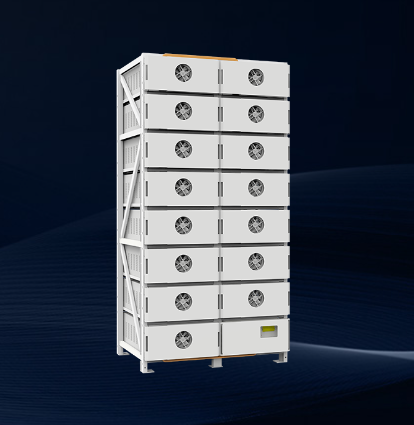
Many industries now rely on lithium-ion batteries for energy storage, but housing these systems requires careful planning. A proper battery cabinet does more than just hold units in place; it manages heat, ensures safety, and extends performance life. Atess provides tailored solutions that address these needs without unnecessary complexity. Their approach focuses on real-world usability, helping businesses avoid common pitfalls in energy storage.
What Defines a Quality Battery Cabinet?
A well-designed battery cabinet starts with robust construction and thermal management. Unlike basic enclosures, quality cabinets include ventilation or cooling systems to prevent overheating. They also feature secure compartments that isolate individual battery modules. Atess has integrated such elements into their designs, offering units that prioritize both function and safety. Another critical aspect is fire resistance – cabinets should contain any thermal event without spreading damage to surrounding areas.
Safety Considerations for Lithium-Ion Storage
When dealing with a lithium ion battery storage cabinet, thermal runaway protection becomes essential. These cabinets often incorporate flame-retardant materials and pressure relief vents. Additionally, monitoring systems track temperature and voltage in real time. Users should also check for compliance with international safety standards like UL or IEC. Without these features, even a small fault can escalate quickly.
Integration and Scalability
Modern energy setups need flexibility. A modular battery cabinet allows users to add more units as power demands grow. This scalability saves initial costs while leaving room for future expansion. Similarly, a lithium ion battery storage cabinet should support multiple communication protocols, enabling smooth connection with inverters and energy management software. Many operators find that pre-tested cabinet configurations reduce installation time by weeks.
Maintenance and Monitoring
Routine inspection of a lithium ion battery storage cabinet keeps systems running efficiently. Simple tasks – checking cable connections, cleaning air filters, and verifying alarm functions – prevent most downtime. Advanced cabinets include remote monitoring ports, so technicians can diagnose issues without on-site visits. For a battery cabinet used daily, documenting temperature trends helps predict component wear before failures occur.
In summary, selecting the right storage enclosure directly impacts battery lifespan and operational safety. Quality cabinets manage heat, enable scalability, and simplify maintenance. For further details on available models, users can refer to Atess’s official battery solutions page.
