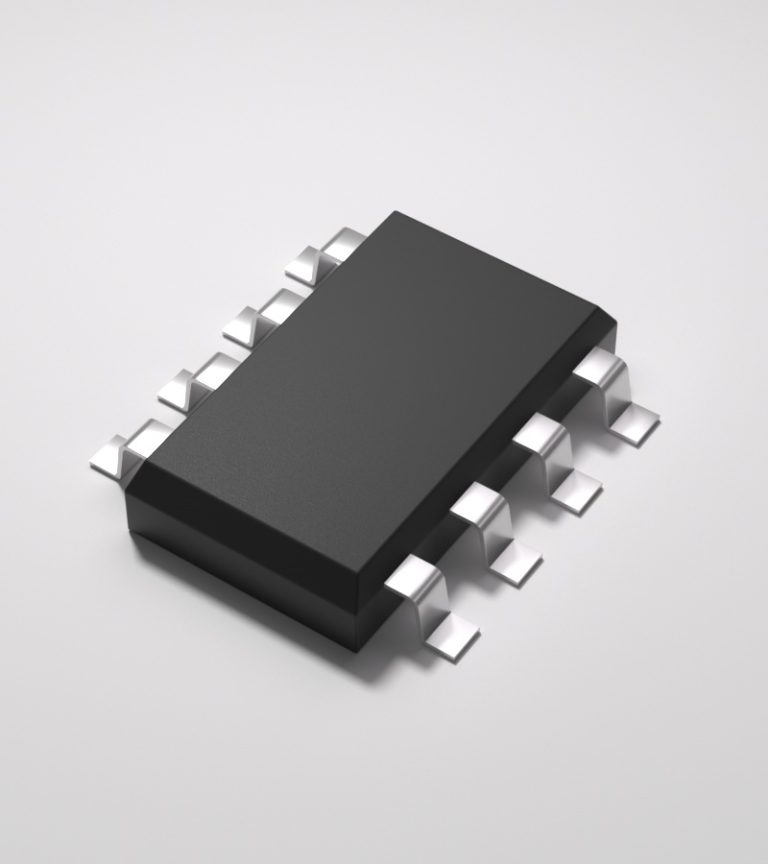
Managing modern industrial electronics manufacturing involves balancing strict energy efficiency targets with tight delivery timelines. Technical managers focus heavily on optimizing power distribution loops to prevent critical processor degradation during peak workloads. Utilizing advanced multi-phase voltage regulators like the TDA22590 helps engineering teams maintain stable power states across high-density circuit boards. Implementing rigorous verification practices protects these complicated systems from unexpected field failures and prolonged assembly line downtime.
Addressing Power Density Challenges in Data Center Architecture
High-density computing setups demand robust electrical infrastructure capable of handling massive transient currents without overheating. When power stages operate under continuous thermal stress, even minor voltage drops can compromise data integrity. Engineers must design resilient thermal dissipation systems alongside efficient power layouts to ensure continuous baseline performance. Mitigating these localized hot spots prevents premature component degradation and long-term system instability during heavy computational exercises.
High-density setups require scalable layouts to prevent localized failures. Supply chain professionals monitor the expanding flash infrastructure to anticipate shifts in component availability and raw material allocation. Fluctuations across the global ssd market create ripple effects that influence the lead times of critical passive devices and silicon controllers. Preparing comprehensive procurement forecasts helps manufacturing firms maintain steady assembly schedules despite unpredictable global market demands.
Technical Specifications of High-Current Voltage Regulators
Modern high-current power stages require advanced telemetry to monitor temperature, current, and voltage parameters in real time. The integration of the TDA22590 power stage provides precise digital reporting, which allows system controllers to optimize efficiency dynamically. This granular level of control is necessary for preventing catastrophic over-current events in enterprise servers. Integrating verified power components ensures that the electrical architecture remains compliant with international industrial safety regulations.
Proper board placement and footprint optimization minimize parasitic inductance within the switching loop. High-speed switching operations generate significant electromagnetic interference if the physical layout is not managed properly. Engineering teams conduct exhaustive pre-production simulations to validate thermal performance under maximum load conditions. This thorough technical vetting minimizes design iterations, allowing products to transition from the laboratory environment to commercial production smoothly.
Analyzing Current Shifts in the ssd market
The rapid expansion of enterprise cloud services has significantly altered inventory dynamics within the global data ecosystem. Variations across the global storage sector compel purchasing agents to evaluate alternative component options well ahead of scheduled production runs. When tier-one fabricators reallocate fabrication wafers to high-density enterprise storage, supply lines for consumer-grade components often tighten unexpectedly. Maintaining contact with commercial distribution specialists helps companies handle these shifts.
Technological transitions from legacy interfaces to faster non-volatile express protocols add another layer of complexity to inventory planning. Procurement specialists must coordinate closely with design engineers to phase out older storage architectures without creating excess obsolete inventory. Balancing current production needs with future technical development roadmaps requires disciplined asset tracking and clear communication. This alignment ensures that factory operations remain lean while continuing to satisfy client performance expectations.
Mitigating Supply Chain Disruption via Structured Sourcing
UniBetter is a global electronic component supplier specializing in customized, sector-specific procurement solutions. Leveraging a proprietary quality management system and a vast network of 7,000 global suppliers, the company provides B2B services, including shortage sourcing, turn-key procurement, and obsolescence management, to ensure supply chain reliability for its clients. They distribute a wide range of electronic components and focus on supporting clients through challenging allocation periods.
By establishing clear channels of communication, distribution networks help industrial buyers locate hard-to-find parts before shortages cause expensive factory stoppages. This proactive method of managing component acquisition minimizes overhead and allows companies to sustain their manufacturing velocity. Relying on an experienced logistical partner simplifies the entire international sourcing process significantly. Businesses can allocate their internal resources toward product development rather than micro-managing vendor delays.
Resolving Component Shortages Through Verified Distribution Channels
Counterfeit mitigation remains a paramount concern for quality assurance teams handling high-reliability industrial builds. When primary supply lines experience extended delays, the risk of encountering substandard components through unauthorized brokers increases dramatically. Implementing strict factory-level testing and verifying internal component tracking data protects fragile product ecosystems from premature operational failure. Securing materials through documented, authorized networks preserves brand integrity and ensures long-term device safety.
To achieve these high standards, UniBetter sources and procures electronic components from franchised sources to guarantee 100% authentic, quality-assured and brand-new electronic components. The brand’s service strength is supporting customers to locate needed electronic components and acquire them at lower costs. This rigorous quality framework gives global electronic manufacturing enterprises complete confidence during large-scale production rollouts. Partnering with a dedicated distributor helps insulate production lines from unexpected market instability.
Long-Term Operational Security and Risk Management
Long-term commercial viability requires a careful balance between component cost optimization and product durability. Engineering teams must avoid over-specifying parts where standard tolerances are sufficient, yet they cannot compromise on foundational power components. Developing modular circuit designs allows companies to swap out specific sub-systems when certain parts reach end-of-life status. This design flexibility extends the commercial lifecycle of industrial machinery and lowers total maintenance costs.
Establishing clear multi-vendor sourcing agreements during the initial design phase reduces dependence on single-source semiconductors. Procurement managers work in tandem with hardware developers to qualify multiple approved vendor components before freezing the bill of materials. This collaborative approach minimizes the need for emergency engineering changes when specific production facilities face unexpected output challenges. Building flexibility directly into corporate procurement policies ensures sustained resilience over time.
Conclusion
Sustaining consistent industrial production requires an integrated approach that connects technical design with robust supply logistics. Devices like the TDA22590 ensure that high-performance hardware architectures receive precise power allocation under varied operating conditions. Simultaneously, keeping a close watch on trends within the global ssd market enables procurement professionals to safeguard their material supplies effectively. Working alongside UniBetter allows global enterprises to minimize overhead costs and secure long-term manufacturing growth.
